A Future Worth Saving

“…We have to matter. If we don’t, there is no future worth saving.” +Ms Marvel

We are all born with something—an energy, a light, a force uniquely ours. But it doesn’t come fully formed. It’s shaped and forged in the fire of life’s torque. Our superpower is not limited to our natural abilities. They are the sum of us, our defeats, our victories, our past, our pain, and our passion. It is rooted in everything that has tried to break us and/or has built us to now. It’s all hammered into a weapon of choice for this life journey.

As an creative, art has been my magic carpet ride, my hammer, my wings. Not easy by any stretch, but the thing that has carried me as I was carrying it. The thing I have fought with, danced with, and ultimately surrendered to. We wrestle daily with who we are and who we think we should be. But true power is in acceptance—the acceptance of all of who we are— the best and the beast. Think about superhero characters like Batman, Daredevil, or The Hulk. Their power isn’t just in their strength, intelligence, or skill. It’s in their wounds. Batman’s greatest weapon isn’t his wealth or gadgets, but the trauma that turned into his mission. Daredevil’s blindness became his most heightened sense. The Hulk? His curse became his power. They didn’t run from their pain; they harnessed it. And that’s the secret: our power isn’t just in what we’re naturally good at—it’s in what we’ve survived, what we’ve wrestled with, and how we choose to wield it.

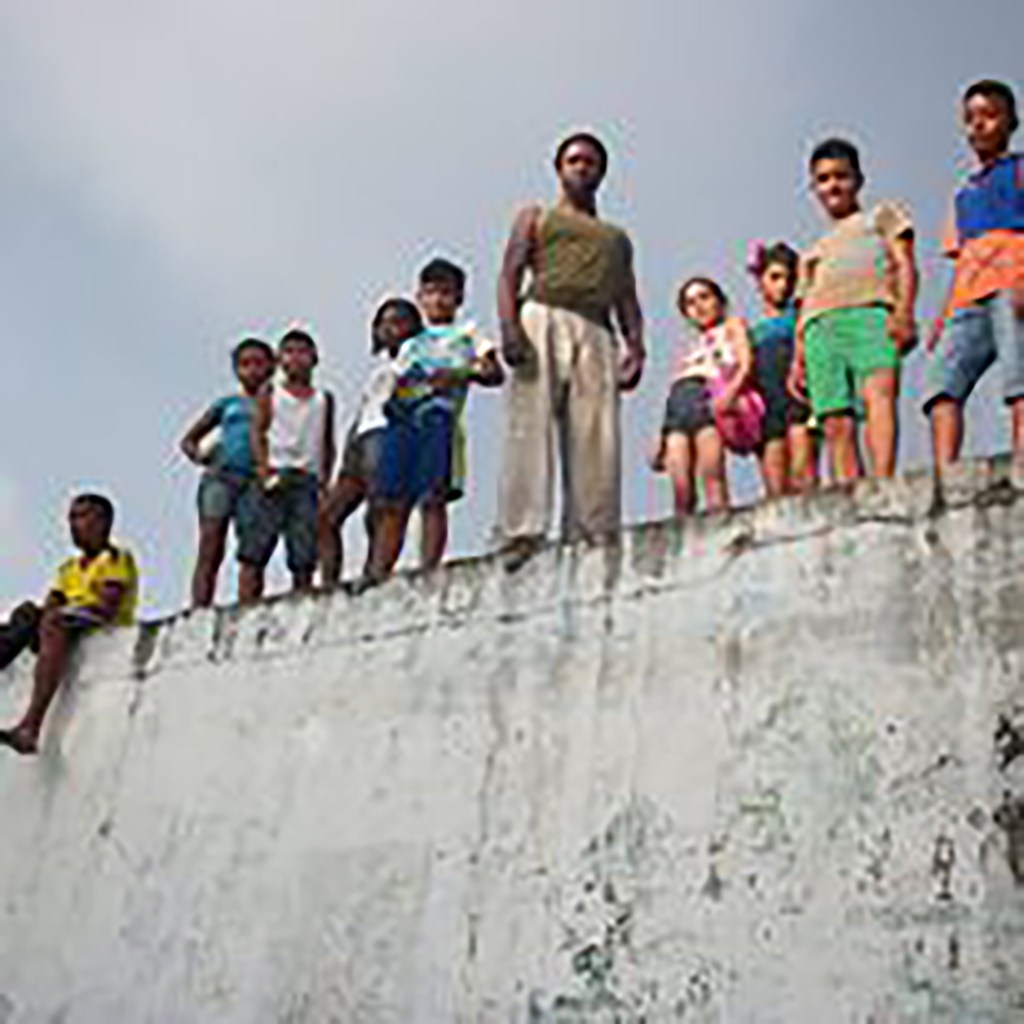
I think back to a moment of revelation years ago, standing atop an old building in a small municipality in Antioquia, Colombia, South America, preparing to do a mural with my team of local children. These children had a fraction of what they have in the United States in terms of material possessions, yet standing there, with the connection we had, looking out over the area, we felt invincible, wealthy in spirit and verve—on top of the world. I was right where I was supposed to be and the world was my palette. There was no lack, only creation. No limits, only possibility. That’s the essence of power: not what you have, but what you create from what you have. It is of utmost importance that we spread our wings. We have to matter. If we don’t, there’s no future worth saving. Our existence, our struggle, our triumphs—they matter. We matter. We don’t fight just to fight. We fight because what we do, what we create, and how we live shapes the world present and future. If you’re reading this and thinking this is about someone else and not you. Please be reminded that it is you that make up the us. It is the we that will ultimately win. Every time we rise from pain or paralysis, bite our lip and keep on keeping on we lay claim to a little more of our power. We command our space and carve out a chunk for those who come after us.

We can spend an entire lifetime running from ourselves, trying to be what the world deems acceptable, or we can own our superpower—our full, unfiltered truth—unapologetically. Our stories are not just the parts that shine or look good in snapshots of social media. It is also the shadows, the scars, the doubts, and the falls. The key is in bringing it all together, forging it into something undeniable, unfolding our tomorrows of choice. So, I take this loving liberty to challenge you: Own your superpower. Wield it unapologetically. Stand in it fully. Because once you do, nothing—not circumstance, not rejection, not fear, not even that ragged voice that’s plagued you all of your days—can keep you from rising. Allow no thing on this side of glory to break the rhythm of your stride…let’s go dammit..!
Alien Nation: Existing Among Them or Living As One

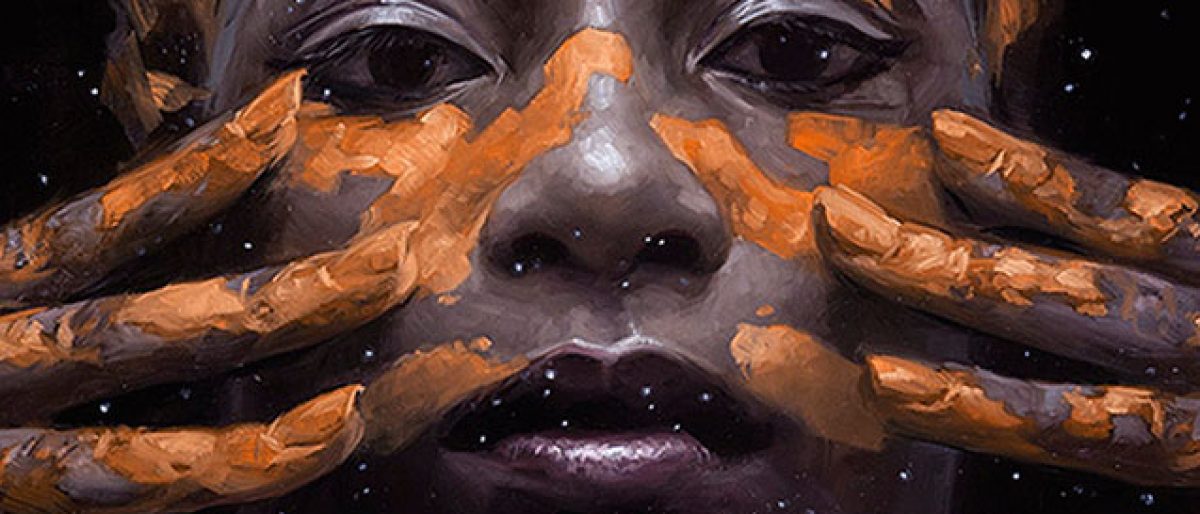
There is an ongoing debate regarding the presence of life on Mars and/or other planets. 1996, scientists announced that they found evidence of ancient life on Mars in the meteorite ALH 84001, which was collected in Antarctica. We hear of these findings and relegate them as background noise to the sound track of our lives. We simple don’t believe or won’t because of how we have been instructed to believe. What if there are “99 other unfallen worlds”? What if we are not really living our own lives? What if we are living this life on someone else’s terms? What if we are just falling into line based on patterns set by algorithms and social conditioning? The aptly crowned father of Afrofuturism, musician and philosopher Sun Ra, also from Alabama, spoke of being from another planet, of visiting other worlds. Many if not most of us would dismiss this idea or ideal as ridiculous or delusional at best. Take note that Sun Ra’s drummer, Marshall Allen is still touring…at 100 years old as of May 25, 2024.

In one of the X-Men movies, Aurora and Jean are having a hard time accepting what Kurt is telling them about himself. He responds with these paradigm shifting words, “Most people will only believe what they see with their own two eyes.” How limiting that is. This leaves no room for faith or knowing outside of the box. Often when people dare to veer outside the box, they are alienated. Few things are taken into mainstream belief until accepted and coopted by the status quo. So most people shuffle through life in quiet desperation sipping on the tea of forgetfulness sweetened with a heaping spoonful of groupthink.

The other day I wrestled with this subject and the alien nature of it all. I know where my feet have trod and my mind has traveled. It’s been a journey I tell you. How many others must also experience the same revelations only to shut them down by the voices of reason encroaching from the outside. All the way home, the ideas of martians, aliens or whatever else might be out there, here with us or be us, orbited my mind. A short while after arriving home, I received a call from my first born daughter asking me to go outside and look to the sky (she lives around the corner). I did, and there loomed a luminescent starry light. First, I went through every logical explanation on what it could be. It sat beneath the heavy cloud bank and never moved. It was not a plane or satellite. I finally came inside, knowing what the title of this blog would be. The idea of alienation is inseparable from the idea of living life on our own terms.

What if being alien wasn’t about being apart, but being apart from fear? What if we chose courage over comfort, purpose over approval? What if we chose to live on our own terms breaking free from the quiet desperation of fitting into lives designed by others. Instead of surviving on what’s “dished out,” we take the raw ingredients of our existence—flawed, messy, miraculous—and create something true and relevant.

The bottom line is that we are all aliens here—strangers to each other, to ourselves, and to the dreams we’ve been handed like unwanted but accepted old hand-me-downs . Personal alienation feels as vast and cold as outer space, where the rules of survival aren’t written for us or by us but imposed by someone else’s limited idea of life space. Are we willing to go where no man has gone before?

Imagine no longer waiting for permission to dream your dream, to love, to thrive in your own rhythm. Imagine a life where alienation isn’t exile but liberation, where we reclaim our space and write our narrative among the stars, rather than shrinking into the dark corners of someone else’s dream…or nightmare.

To live fully, boldly, is to embrace the alien within—odd, radiant, and untethered. Life isn’t meant to be spent in the shadow of someone else’s vision. It’s meant to be lived, fully and unapologetically, in the brilliance of our own light. On this planet, where the dishes are often unpalatable and shaped by others, let us become the master chef of our own feasts, the architects of our own worlds. I’ve caught long glimpses and I know they exist…

Would you dare to be alien enough to live your dream?

Curating Spaces

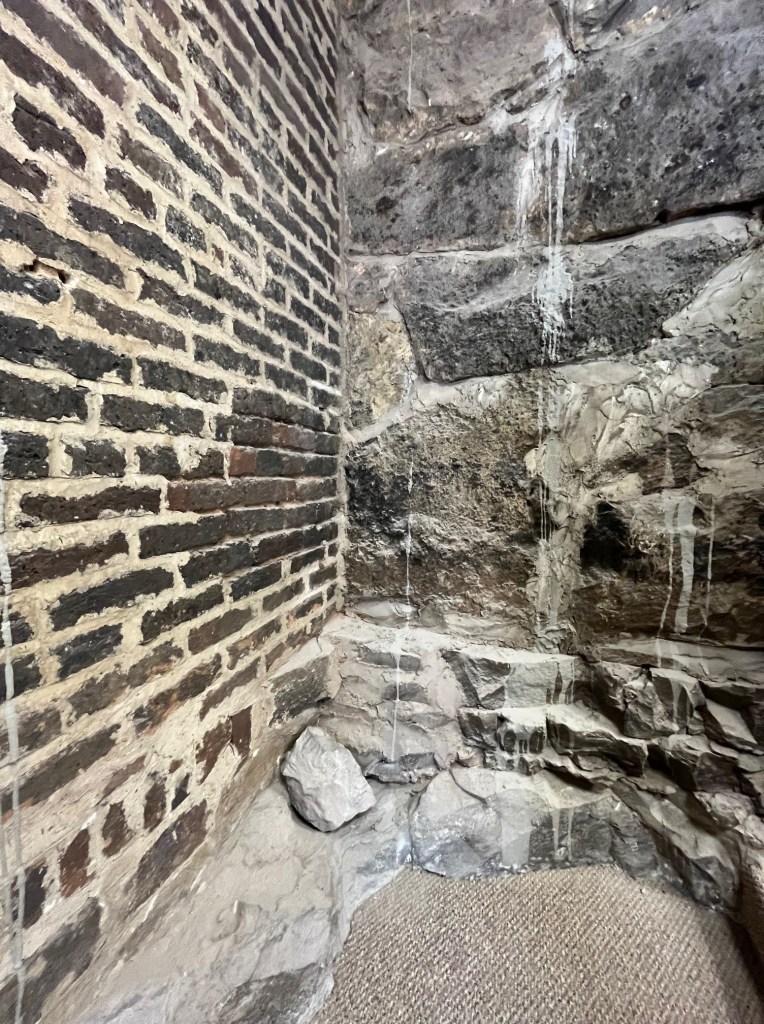
Curation is about much more than hanging art on walls or items in a collection—it’s about shaping environments that reflect our values, histories, and aspirations. As an artist, I recently completed a commission for the new City Hall, an institution of governance and civic pride. Yet, directly across the street, the basement of a former bank holds a darker legacy: it once imprisoned enslaved people, treating them as chattel collateral in its cold stony bowels. This stark contrast between spaces reminds us how intricately intertwined the present is with the past, and how our relationship with space has the power to elevate or diminish our humanity.

We are the curators of the spaces we inhabit—our homes, workplaces, public buildings, and the invisible spaces between us as human beings. For too long, access to these spaces, particularly those of influence and power, was denied to people based on race, class, or gender. Today, as we step into places where chosen sectors of society were forbidden, we carry a responsibility to reimagine and reshape them with intentionality. Whether we are conscious of it or not, we design the spaces that define us, deciding who gets to be seen, heard, and respected within them.

Curating space goes beyond physical walls; it’s also about the various interactions that shape our societies. How we treat one another in these spaces, the stories we honor, and the legacies we confront are all part of this curation. Just as we, as artists, choose what to display in a gallery, we choose what to elevate or omit in our life space as well. Spaces, after all, are more than just physical—they are emotional and symbolic. They carry the not so dead weight of history but also the potential for resurrection and transformation.

Today, as we gain access to spaces once closed to some by law, litany, or self-imposed limitation, we do so with the knowledge that we are responsible for more than just being there. We must curate them for ourselves and future generations, ensuring that the injustices of the past do not persist and walk among us in contemporary designer hoods. Every room we enter, every relationship we foster, and every piece of art we create becomes a part of that narrative—a reflection of how we choose to inhabit the world and bridge the spaces between us. The question is not just how we fill these spaces, but how we use them to uplift and honor those who came before, while making room for those yet to come.